Have Query ? Reach Out Us!


Which Skills a Good Personal Support Worker Should Have
If you want to make a career in the healthcare field, particularly as a Personal Support Worker (PSW), one of the initial steps to success is to learn about the various skills that a good personal support worker should possess. A PSW works in a variety of settings, including long-term care homes, hospitals, home care, and community support. Besides being caregivers, they are also companions, advocates, listeners, and the most essential human support system. So what exactly makes a PSW "good"? Is it a certification? A practical training? No, it is something more.
Students at Taha College develop both technical and interpersonal skills through industry-relevant programs, such as the NACC Personal Support Worker DE (Hybrid), which provides real-world practice and mentorship, preparing students to be job-ready.
Taha College. With the world's population aging and the need for quality care growing, employers are not merely hiring PSWs—they are looking for skilled, compassionate, and capable professionals who can tackle everyday challenges with care and confidence.
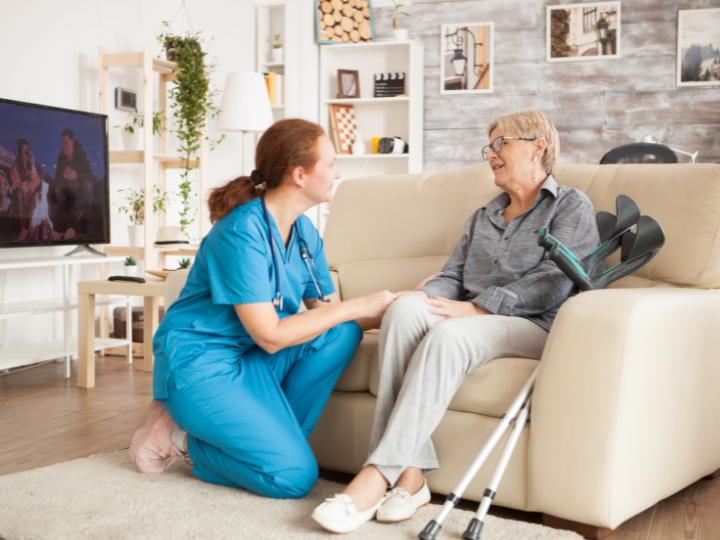
Personal Support Workers (PSWs) are an integral part of the healthcare system. They provide assistance to people who are unable to manage daily living activities, including personal care, getting around, and psychological support. PSWs work closely with nurses and other healthcare personnel to ensure patients receive safe, respectful care. Top Things You Should Know :-
PSWs primarily work in various healthcare and community settings, such as:
It is indeed true that obtaining a certification and completing a course - for example, the Personal Support Worker program offered at Taha College - provides excellent initial preparation. However, real-life situations in the healthcare setting demonstrate that credentialing alone is insufficient. The real achievement lies in a PSW's possession of strong soft skills, in addition to technical knowledge.
Healthcare involves more than just ticking boxes - it is a vocation that is deeply rooted in human connections. A PSW is the face of the care to a patient, and through one-on-one interactions, PSWs facilitate the patients' comfort, ensure their safety, and thus gain their trust. A good Personal Support Worker sets the standard of care through effective communication.
Why Communication Matters
Communication enables the building of trust relationships, reduces misunderstandings, and enhances the achievement of desired outcomes — especially in situations where patients are unable to communicate their needs.
Listening with full attention - understanding perfectly what a patient is trying to communicate, through both words and gestures.
Clear & Compassionate Speech – Language that is simple and polite for patients and families.
Non-Verbal Awareness – Observing a person's gestures as well as tone of voice.
Reporting Skills – Proper and swift record-keeping for nurses and superiors.
Cultural Sensitivity – Showing regard for people's different backgrounds and individual preferences.
In healthcare facilities, issues often arise simply because information isn't shared clearly. Incomplete reporting, assumptions, or rushed communication can lead to patient dissatisfaction and team confusion. For this very reason, employers look for PSWs who communicate well, take time to clarify, and share relevant information on time.
Taha College emphasizes communication in a great variety of ways in its PSW courses. Students engage in various role-plays, are exposed to real-life situations, and have supervised interactions. This method of learning helps students go beyond merely speaking to become effective communicators.
When we analyze the question, a Good Personal Support Worker should have communication skills as one of the core qualities.
Technical skills are undoubtedly critical — still, human connection is at the core of caregiving.
What is Emotional Intelligence (EI)?
Emotional Intelligence is basically your ability to:
* Understand your own feelings.
* Identify the emotions of other people.
* React in a kind and calm manner.
A PSW with a high level of EI can:
* Stay calm in emergencies.
* Adapt to stressful situations.
* Show understanding and thus console patients and families.
Real Challenges in Caregiving
A lot of patients:
PSWs who are aware of such emotional situations perform better and get more recognition for their work. At Taha College, students receive mentorship and soft skills training that help them develop emotional awareness and real-life caregiving skills.
Practical caregiving skills — proficiency in everyday tasks.
Although empathy and communication are essential qualities for PSWs, the latter should also be very knowledgeable and capable of providing physical care.
Essential Practical Skills
A study of healthcare employers shows that PSWs who do not use correct techniques expose:
As a result, Taha College's NACC Personal Support Worker program features a curriculum that combines theory with practice – including supervised clinical placements for students – thus preparing them to meet the demands of the real world.

PSWs need to maintain a high level of professional standards since they deal with vulnerable groups.
Professional Skills Include
Ethical Example
Imagine a situation where a resident refuses medication. A good PSW must balance respect for autonomy with care guidelines — while documenting the situation and informing supervisors.
Such ethical matters are a big part of being a Good Personal Support Worker.
Adaptability, Teamwork & Time Management – Real Workplace Needs
Healthcare is a rapidly changing environment, so patients' needs change quickly.
Adaptability: Unexpected situations, patient behaviours, and changes in the team's priorities can occur at any time.
Teamwork: PSWs collaborate with nurses, doctors, therapists, and family members.
Time Management: Efficiently dealing with multiple patients and tasks.
A Shift Handover
In the morning, you are given a care plan. Then, make sure you understand the handover correctly:
Managing all this requires balance — a skill employers highly value.
The need for Personal Support Workers (PSWs) is rising rapidly across Canada, particularly in Ontario, driven by an aging population and the expanding demands of the healthcare system. Hospitals, long-term care facilities, and home care agencies always need skilled PSWs. However, a certification alone is insufficient; employers are looking for professionals who are competent, self-assured, and prepared to handle both workplace challenges and patient care.
For this reason, the PSW program at Taha College is practically oriented and in line with industry standards. Here, students gain practical skills for everyday caregiving duties and challenging situations, in addition to theoretical knowledge. To ensure students receive training that meets employer expectations and current industry standards, the college's curriculum is developed with input from healthcare professionals.
• Comprehensive Curriculum: Covers clinical skills, patient care, ethics, and professional conduct.
• Hands-on Practice & Clinical Placements: By exposing students to actual healthcare environments, skills gaps are eliminated.
• Experienced Instructors & Mentorship: Teachers are professionals in their field who offer students practical advice and real-world examples.
• Career Support: Through resume construction, practice interviews, and placement support, students gain confidence and readiness for the job market.
• Flexible Learning Options: Online and hybrid formats are accessible, particularly for students who are employed.
Taha College's strategy goes beyond simple certification. Students gain competence, compassion, and self-assurance here, which gives them an advantage in their long-term professional development. After completing this comprehensive training, graduates become valuable, employable PSWs (Personal Support Workers).
Q1: What skills are essential for a PSW?
Communication, empathy, practical care skills, professionalism, teamwork, and adaptability are all crucial.
Q2: Does the PSW program include clinical practice?
Yes, leading PSW courses like the one at Taha College include clinical placements so you can learn to provide care in real-world settings.
Q3: Can international students enrol in the PSW program?
Yes – international students can apply, especially for programs in Ontario with the appropriate permits.
Q4: How long is the PSW program?
The program typically takes 6-12 months, including both theory and practical placements.
Q5: Does Taha College offer job support?
Yes, with resume assistance, counselling, and placement support to help you join the healthcare workforce.
To pursue a career as a Personal Support Worker (PSW) in healthcare, individuals must acquire essential skills that encompass both technical expertise and interpersonal skills. PSWs operate in settings such as long-term care homes, hospitals, and homes, serving not only as caregivers but also as companions and advocates for patients. Taha College's NACC Personal Support Worker program exemplifies a comprehensive approach by combining theoretical knowledge with practical experience, equipping students to meet the evolving demands of healthcare.
Key responsibilities of PSWs include assisting with personal hygiene, meal preparation, mobility, emotional support, and basic health monitoring. While certifications provide foundational training, the competencies that define a proficient PSW extend beyond credentials to include strong soft skills, notably effective communication.
Good communication is paramount for establishing trust and understanding patients' needs, especially among vulnerable populations such as the elderly and those with disabilities. PSWs need active listening abilities, clear articulation, non-verbal communication skills, and cultural sensitivity to engage with patients and their families effectively.
Additionally, emotional Intelligence and empathy are critical components of effective caregiving. PSWs equipped with these skills can manage patients' emotional challenges, thereby enhancing the quality of care. Taha College emphasizes the development of emotional awareness and practical caregiving skills, ensuring students are capable of addressing the complexities of patient interactions.
Furthermore, PSWs must maintain professionalism and adhere to ethical standards, given their work with vulnerable individuals. This encompasses respecting privacy, being punctual, and making sound moral decisions, such as appropriately handling situations where patients refuse medication.
Lastly, adaptability, teamwork, and effective time management are vital attributes for PSWs as they navigate the dynamic healthcare environment. A successful PSW must be prepared for unexpected challenges and collaborate effectively with healthcare teams while managing multiple tasks efficiently. Overall, the NACC Personal Support Worker program prepares graduates not merely for employment but for excellence in patient care through a holistic educational approach.
Learn more about the diverse programs at TAHA College, including Hair Dressing Program, Early Childhood Assistant Program and PSW Program.
Have a Question? Ask Us!
Related Blogs




.png 1.png "https://www.tahacollege.ca/storage/blog/1755679660-Untitled (720 x 540 px).png 1.png")










.png "https://www.tahacollege.ca/storage/blog/1755606017-Untitled (720 x 540 px).png")





.png "https://www.tahacollege.ca/storage/blog/1757745482-psw skills (1).png")